
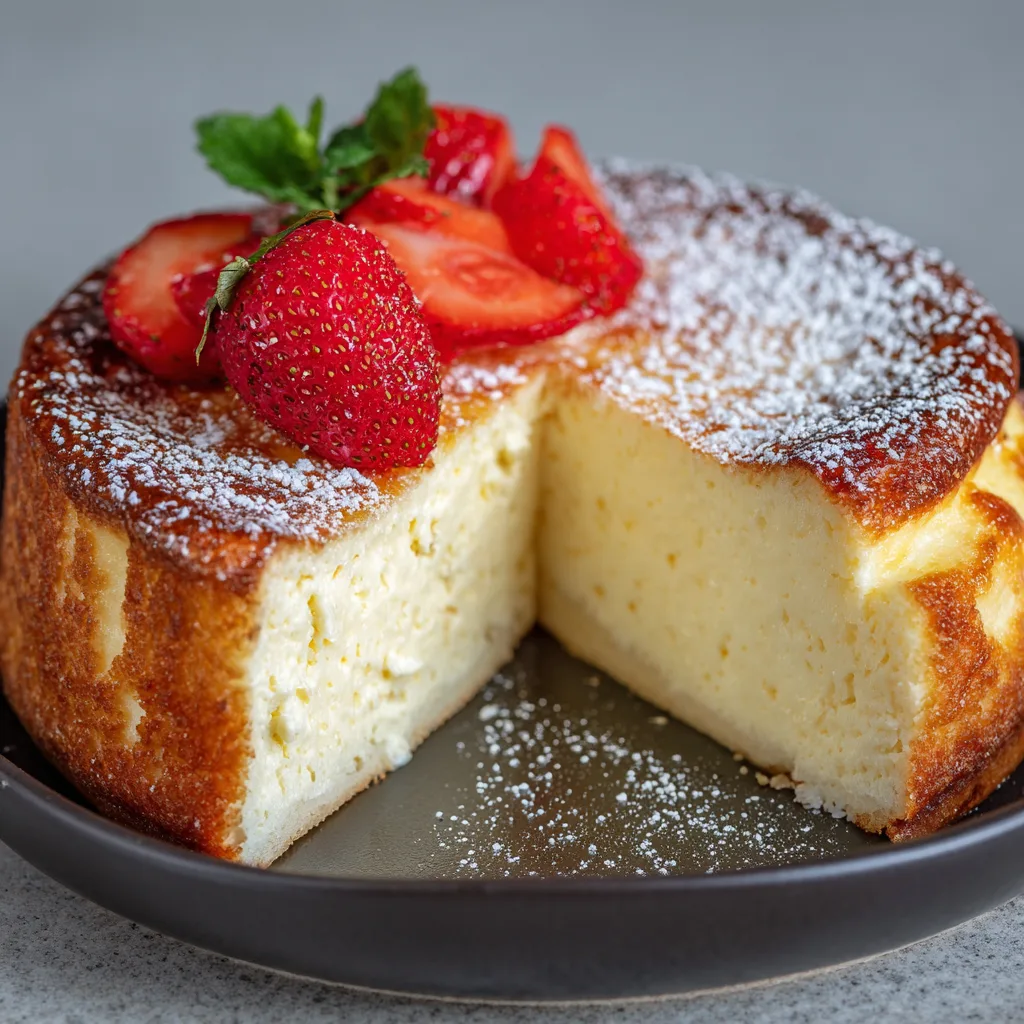
Why You’ll Love This Recipe
Sicilian Ricotta Cheesecake is a beautifully understated dessert that celebrates simplicity and quality ingredients. Unlike dense, cream-cheese-based cheesecakes, this version is lighter, delicately textured, and subtly sweet. I especially appreciate how the ricotta gives the cake a soft, almost airy consistency while still feeling rich and satisfying. The flavors are gentle and refined, allowing hints of citrus and vanilla to shine without overwhelming the palate. This is the kind of dessert that feels just as appropriate after a casual family meal as it does at a formal gathering. I tested this recipe with both fresh and well-drained ricotta, and proper draining made a noticeable difference in texture. If you enjoy desserts that are not overly sweet and value traditional European-style baking, this cheesecake is an excellent choice.
Print
Sicilian Ricotta Cheesecake: An Elegant Italian Classic with Timeless Charm
- Total Time: 1 hour 30 minutes
- Yield: 10 slices
- Diet: Vegetarian
Description
Sicilian Ricotta Cheesecake is a light and traditional Italian dessert made with creamy ricotta cheese, citrus zest, and a delicate crumb crust, offering a less dense but richly flavored cheesecake.
Ingredients
- 1 1/2 cups all-purpose flour
- 1/2 cup granulated sugar
- 1/2 cup unsalted butter, cold and cubed
- 1 large egg
- 1 teaspoon baking powder
- 2 cups whole-milk ricotta cheese, well drained
- 3/4 cup granulated sugar
- 3 large eggs
- 1 teaspoon vanilla extract
- 1 tablespoon lemon zest
- 1 tablespoon orange zest
- 1/4 teaspoon cinnamon
- Powdered sugar for dusting
Instructions
- Preheat oven to 350°F (175°C).
- In a bowl, combine flour, sugar, and baking powder.
- Cut in butter until mixture resembles coarse crumbs.
- Add egg and mix until a soft dough forms.
- Press two-thirds of the dough into the bottom of a greased springform pan.
- In another bowl, mix ricotta cheese with sugar until smooth.
- Add eggs one at a time, mixing well.
- Stir in vanilla extract, lemon zest, orange zest, and cinnamon.
- Pour ricotta filling over the crust.
- Crumble remaining dough over the top.
- Bake for 50–55 minutes until set and lightly golden.
- Cool completely, then dust with powdered sugar before serving.
Notes
- Drain ricotta overnight for best texture.
- Do not overmix the filling to keep it light.
- Traditionally served at room temperature.
- Prep Time: 20 minutes
- Cook Time: 55 minutes
- Category: Dessert
- Method: Baking
- Cuisine: Italian
Ingredients
(Tip: You can find the complete list of ingredients and their measurements in the recipe card below.)
Ricotta Cheese
Ricotta is the star ingredient, giving the cheesecake its signature light and creamy texture. Full-fat ricotta produces the best flavor and consistency.
Granulated Sugar
Sugar sweetens the cake gently without overpowering the delicate ricotta flavor.
Eggs
Eggs provide structure and help the cheesecake set while keeping it soft and tender.
All-Purpose Flour
A small amount of flour stabilizes the batter and gives the cheesecake a light cake-like crumb.
Butter
Butter adds richness and helps create a smooth, cohesive batter.
Vanilla Extract
Vanilla enhances the mild sweetness and rounds out the overall flavor profile.
Lemon Zest
Lemon zest adds brightness and a subtle citrus aroma that complements the ricotta beautifully.
Orange Zest
Orange zest contributes warmth and depth, giving the cheesecake its traditional Sicilian character.
Baking Powder
Baking powder provides gentle lift, keeping the texture light rather than dense.
Salt
A small amount of salt balances sweetness and enhances all other flavors.
Directions
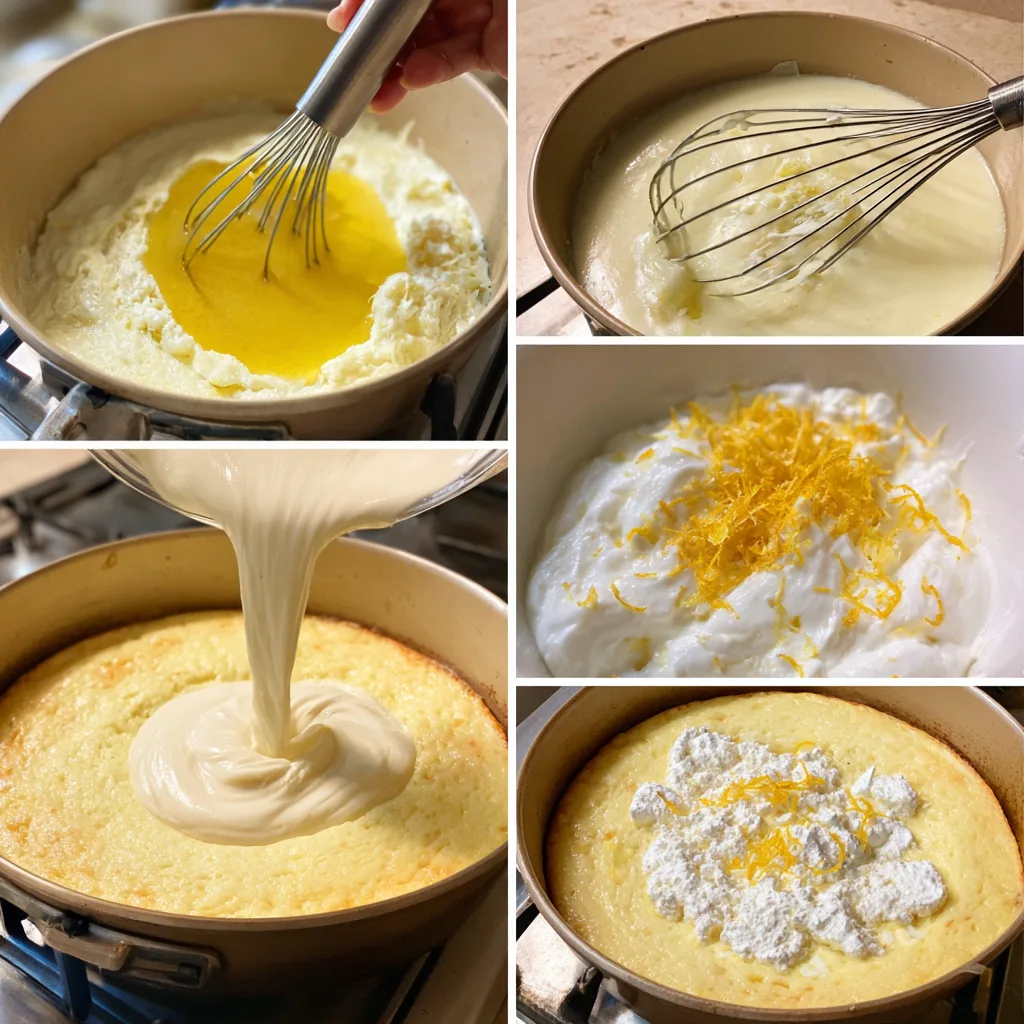
Begin by preheating the oven to 350°F and greasing a springform pan. If the ricotta appears wet, drain it in a fine sieve for at least 30 minutes before using. In a large bowl, cream the butter and sugar together until pale and smooth. Add the eggs one at a time, mixing gently after each addition.
Stir in the ricotta until fully incorporated, followed by vanilla extract, lemon zest, and orange zest. In a separate bowl, whisk together flour, baking powder, and salt. Gradually fold the dry ingredients into the ricotta mixture until just combined.
Pour the batter into the prepared pan and smooth the surface. Bake for 45 to 50 minutes, until the cheesecake is lightly golden and set with a slight wobble in the center. Allow it to cool completely before removing from the pan.
Equipment needed
Must-Have Tools to Get Rolling
Here’s what you’ll want to have on hand:
Silicone Spatula – Durable, heat-resistant silicone spatula perfect for mixing, scraping, and spreading. Gentle on non-stick cookware and easy to clean.
Large pot – You’ll need this to boil the whole cabbage head and soften the leaves.
large bowl –Spacious, durable large bowl ideal for mixing, serving, or food preparation. Made from sturdy material and easy to clean.
Sharp knife – For coring the cabbage and slicing out the thick stem in each leaf. A paring knife works best.
Mixing bowl – A big bowl makes it easier to combine your meat and rice filling evenly.
Cutting board – For prepping cabbage leaves and rolling them like a pro.
Full-Size Blender – is a powerful kitchen appliance for making smoothies, soups, and sauces in large batches.
3-in-1 Air Fryer – This versatile 3-in-1 air fryer offers Air Fry for healthier meals with less oil, Bake for bakery-quality desserts and treats, and Reheat to bring leftovers back to life with crispy, flavorful results
Servings and timing
This cheesecake yields 10 to 12 slices. Preparation takes approximately 20 minutes, with a baking time of about 50 minutes and additional cooling time before serving.
Storage/reheating
Store the cheesecake covered in the refrigerator for up to four days. Serve chilled or at room temperature. Reheating is not recommended, as it may alter the delicate texture.
Variations and Customizations
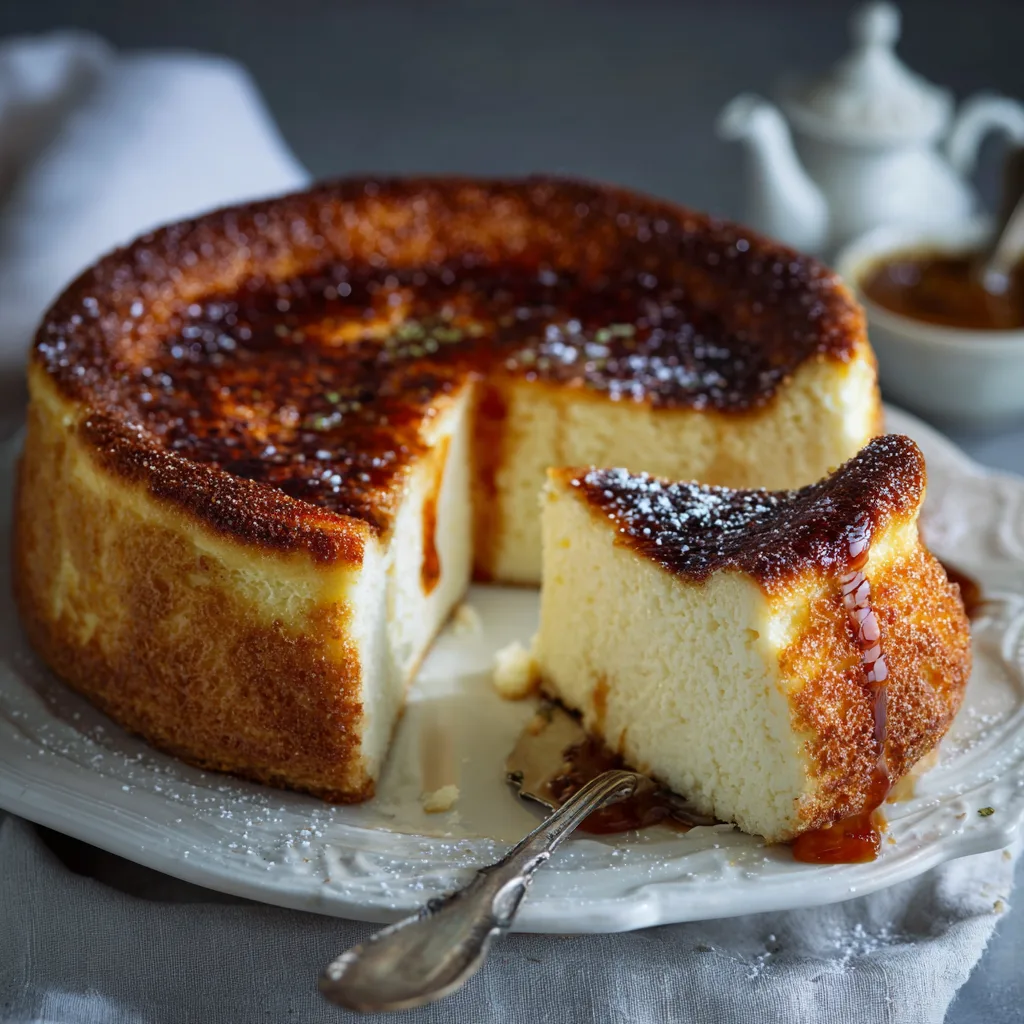
This recipe lends itself well to subtle variations. You can add mini chocolate chips or finely chopped candied citrus peel for a more traditional Sicilian touch. I have also tried topping the cheesecake with a light dusting of powdered sugar or serving it with fresh berries, both of which worked beautifully. For a richer flavor, substitute part of the ricotta with mascarpone. If you prefer a gluten-free version, replace the flour with almond flour, which adds a gentle nutty note. Each variation respects the simplicity of the original while offering a new interpretation.
Nutrition and Dietary Info
| Nutrient | Per Serving |
|---|---|
| Calories | 310 |
| Protein (g) | 9 |
| Carbs (g) | 28 |
| Fat (g) | 18 |
| Saturated Fat (g) | 10 |
| Fiber (g) | 1 |
| Sugar (g) | 18 |
| Sodium (mg) | 180 |
Expert Tips & Customizations
Drain ricotta thoroughly to avoid excess moisture in the batter. Mix gently to maintain a light texture. Allow the cheesecake to cool completely before slicing for clean, even portions.
FAQs
What makes ricotta cheesecake different?
It is lighter and less dense than cream cheese cheesecake, with a more delicate texture.
Can I use low-fat ricotta?
Yes, but full-fat ricotta gives better flavor and creaminess.
Does this cheesecake need a crust?
No, this traditional version is crustless and naturally elegant.
Can I freeze this cheesecake?
Yes, wrap tightly and freeze for up to one month. Thaw in the refrigerator.
How do I know when it is done?
The center should be set but still slightly soft when gently shaken.
Is this dessert very sweet?
No, it is mildly sweet, which is part of its traditional appeal.
Conclusion
Sicilian Ricotta Cheesecake is a refined, classic dessert that highlights the beauty of simple ingredients and careful technique. Light, aromatic, and elegant, it is a recipe that brings a touch of Italian tradition to any table and is well worth adding to your baking repertoire.
Hungry for more? Visit our website for full recipes and follow us on Pinterest for daily foodie inspo you’ll love to pin!