
Introduction
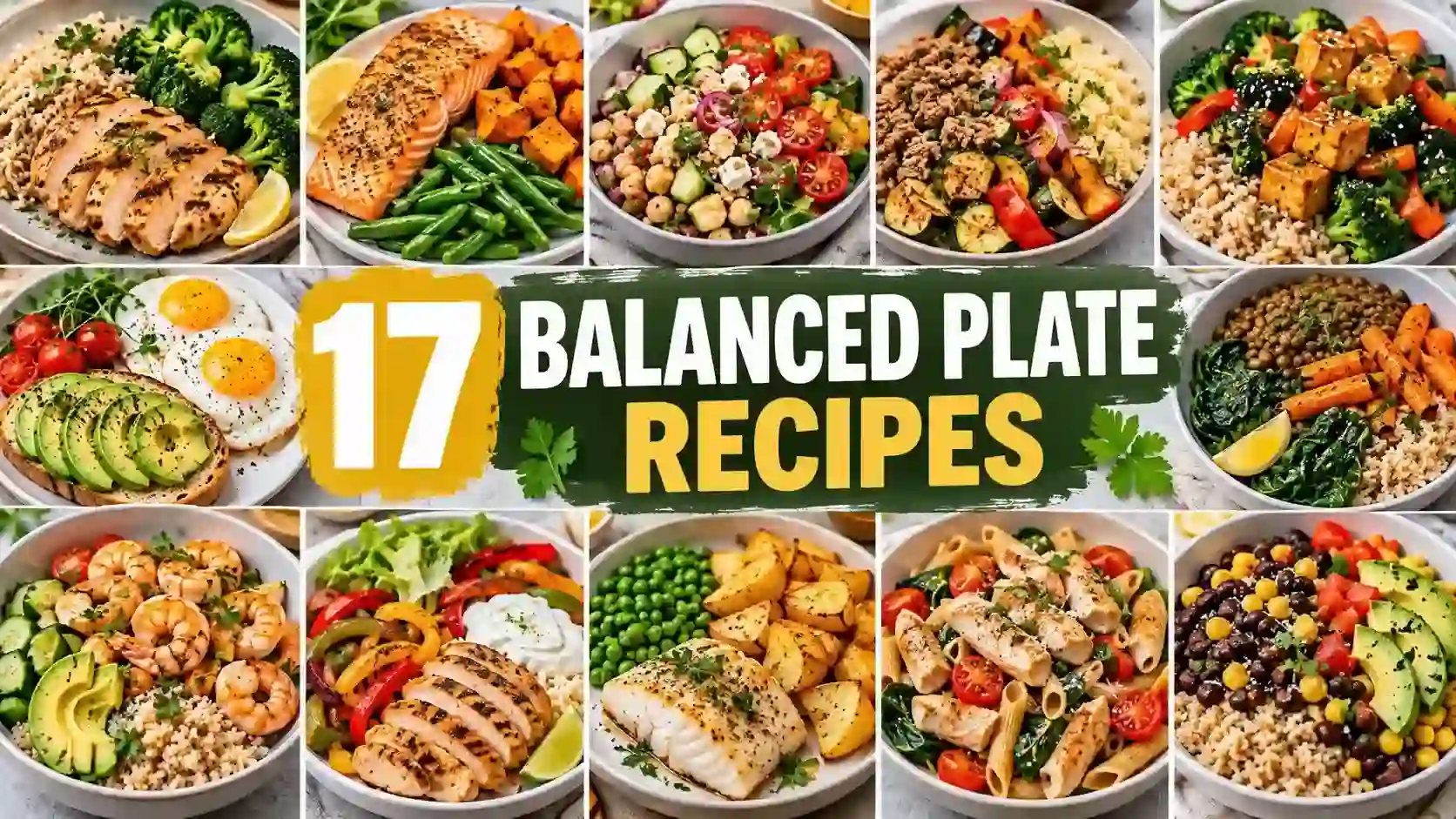
Creating balanced meals does not have to be complicated, time-consuming, or boring. With the right combination of wholesome ingredients, you can prepare delicious dishes that nourish your body, satisfy your hunger, and make everyday cooking more enjoyable. These 17 balanced plate recipes are designed to help you bring variety, flavor, and nutrition to your table without spending hours in the kitchen.
A balanced plate typically includes lean protein, fiber-rich carbohydrates, colorful vegetables or fruits, and a source of healthy fats. This combination can help support energy levels, promote fullness, and provide essential nutrients. You can adjust portion sizes and ingredients according to your appetite, lifestyle, and dietary preferences.
Whether you need a quick weekday lunch, a satisfying family dinner, or a meal-prep option for busy days, these recipes offer something for everyone. From grilled chicken bowls and roasted vegetable plates to hearty lentil meals and flavorful salmon dinners, you will find practical ideas that make healthy eating both simple and irresistible.
The best part is that you do not need expensive ingredients or complicated cooking techniques. A few everyday staples, fresh produce, and thoughtful meal combinations are enough to create balanced plates you will look forward to eating.
Why You’ll Love These Balanced Plate Recipes
- Nutritious and satisfying: Each recipe combines protein, carbohydrates, vegetables, and healthy fats to create a more complete meal.
- Easy to prepare: Most dishes use simple cooking methods, such as roasting, grilling, steaming, or sautéing.
- Full of flavor: Herbs, spices, citrus, garlic, and homemade dressings add delicious flavor without requiring complicated sauces.
- Perfect for meal prep: Many ingredients can be prepared in advance and combined throughout the week.
- Flexible for different diets: You can substitute proteins, grains, and vegetables according to your preferences.
- Budget-friendly options: Beans, lentils, eggs, seasonal vegetables, and whole grains make nutritious meals more affordable.
- Great for the whole family: These recipes are easy to adapt for different tastes and appetites.
Ingredients
(Tip: You can find the complete list of ingredients and their measurements in the recipe card below.)
These 17 balanced plate recipes use a variety of accessible ingredients. You do not need to purchase everything at once. Choose a few recipes for the week and build your grocery list around the ingredients they share.
Ingredients Breakdown
Lean Proteins
Chicken breast, turkey, fish, eggs, tofu, beans, chickpeas, and lentils provide protein that helps maintain muscle and supports many essential body functions. Chicken and turkey are versatile choices for grilled plates, while salmon offers protein along with beneficial omega-3 fats. Eggs work well for breakfast plates, and plant-based options such as tofu and lentils make satisfying alternatives.
Whole Grains and Complex Carbohydrates
Brown rice, quinoa, whole-wheat pasta, oats, and whole-grain bread supply carbohydrates that provide energy. Whole grains also contribute fiber and other nutrients. Sweet potatoes and regular potatoes can serve as carbohydrate-rich components, too. Select the options you enjoy most, and adjust portions to suit your hunger and activity level.
Colorful Vegetables
Broccoli, spinach, bell peppers, carrots, zucchini, cucumbers, tomatoes, cabbage, and leafy greens add color, texture, and important vitamins and minerals. Roasting vegetables brings out their natural sweetness, while steaming preserves their fresh flavor. Raw vegetables are especially useful for quick lunch bowls and crisp salads.
Fresh Fruits
Berries, apples, oranges, avocado, and seasonal fruits can complement savory meals or provide a refreshing side. Berries work beautifully with yogurt and oats, while avocado adds creaminess to grain bowls. Citrus fruits also make excellent ingredients for dressings and marinades.
Healthy Fats
Olive oil, avocado, nuts, seeds, and natural nut butters contribute unsaturated fats. These ingredients can improve flavor and help make meals satisfying. Because fats are energy-dense, moderate portions are generally sufficient for most balanced plates.
Flavorful Herbs, Spices, and Seasonings
Garlic, black pepper, paprika, cumin, turmeric, oregano, parsley, coriander, lemon juice, and chili flakes make simple ingredients taste exciting. Plain yogurt can be turned into a creamy dressing with herbs, lemon, and garlic. Using spices and fresh herbs also helps you create variety without relying heavily on salt.
How to Make 17 Balanced Plate Recipes
The following recipes are flexible meal ideas rather than rigid diet plans. Each recipe makes approximately two servings, with ingredient amounts and cooking times provided as practical starting points. Adjust seasonings, portions, and vegetables to suit your needs.
1. Grilled Chicken, Brown Rice, and Broccoli Plate
Ingredients:
- 2 small boneless, skinless chicken breasts, approximately 300 g total
- 1 cup cooked brown rice
- 2 cups broccoli florets
- 2 teaspoons olive oil
- 1 tablespoon lemon juice
- Garlic powder, black pepper, and paprika
Instructions:
Season the chicken with lemon juice, garlic powder, paprika, and black pepper. Heat a grill pan over medium heat and cook the chicken until browned and the center reaches 165°F (74°C). Meanwhile, steam the broccoli until tender but still bright green. Divide the brown rice between two plates, add the sliced chicken and broccoli, and finish with a light drizzle of olive oil.
Why it works: Chicken provides protein, brown rice supplies carbohydrates, and broccoli adds fiber and micronutrients.
2. Salmon, Sweet Potato, and Green Bean Plate
Ingredients:
- 2 salmon fillets, approximately 250–300 g total
- 1 medium sweet potato
- 2 cups green beans
- 2 teaspoons olive oil
- Lemon juice, black pepper, and dried dill
Instructions:
Preheat the oven to 400°F (200°C). Cut the sweet potato into cubes, toss with half the olive oil, and roast for approximately 20–25 minutes. Season the salmon with lemon juice, dill, and pepper, then bake until it reaches 145°F (63°C) at its thickest point. Steam the green beans and divide everything between two plates.
Why it works: Salmon contributes protein and omega-3 fats, while sweet potato and green beans provide carbohydrates, fiber, and essential nutrients.
3. Mediterranean Chickpea and Quinoa Bowl
Ingredients:
- 1 cup cooked quinoa
- 1 cup cooked chickpeas, drained if canned
- 1 cucumber, diced
- 1 cup cherry tomatoes, halved
- 2 cups leafy greens
- 2 tablespoons plain yogurt
- Lemon juice, olive oil, and dried oregano
Instructions:
Divide the cooked quinoa between two bowls. Add the chickpeas, cucumber, tomatoes, and leafy greens. Stir the yogurt with lemon juice, a little olive oil, oregano, and black pepper to make a quick dressing. Spoon the dressing over the bowls and toss lightly before serving.
Why it works: Chickpeas and quinoa contribute plant-based protein, while vegetables add freshness and fiber.
4. Turkey, Roasted Vegetables, and Couscous Plate
Ingredients:
- 250 g lean ground turkey
- 1 cup cooked whole-wheat couscous
- 1 zucchini, sliced
- 1 bell pepper, chopped
- 1 small red onion, cut into wedges
- 2 teaspoons olive oil
- Garlic, cumin, and paprika
Instructions:
Heat the oven to 400°F (200°C). Toss the vegetables with half the olive oil and roast until tender, approximately 20 minutes. Meanwhile, cook the turkey in a skillet with the remaining oil, garlic, cumin, and paprika until it reaches 165°F (74°C). Prepare the couscous according to its package instructions, then arrange it alongside the turkey and roasted vegetables.
Why it works: Lean turkey supplies protein, couscous contributes carbohydrates, and roasted vegetables bring color and flavor.
5. Tofu, Brown Rice, and Stir-Fried Vegetables
Ingredients:
- 250 g firm tofu, drained and cubed
- 1 cup cooked brown rice
- 1 cup broccoli florets
- 1 bell pepper, sliced
- 1 carrot, thinly sliced
- 2 teaspoons olive oil
- 1 tablespoon reduced-sodium soy sauce
- Fresh ginger and garlic
Instructions:
Pat the tofu dry and cut it into cubes. Heat the oil in a nonstick skillet and cook the tofu until lightly golden. Add the garlic, ginger, broccoli, bell pepper, and carrot. Stir-fry until the vegetables are tender-crisp, then add the soy sauce. Serve over warm brown rice.
Why it works: Tofu offers plant-based protein, brown rice provides energy, and mixed vegetables add fiber and variety.
6. Egg, Avocado, and Whole-Grain Toast Plate
Ingredients:
- 4 eggs
- 4 slices whole-grain bread
- 1 small avocado
- 1 cup cherry tomatoes
- Black pepper and lemon juice
Instructions:
Boil, poach, or scramble the eggs according to your preference. Toast the bread and mash the avocado with lemon juice and black pepper. Spread the avocado over the toast and serve with the eggs and sliced tomatoes.
Why it works: Eggs provide protein, whole-grain toast supplies carbohydrates, and avocado contributes unsaturated fats.
7. Lentil, Roasted Carrot, and Brown Rice Plate
Ingredients:
- 1 cup cooked lentils
- 1 cup cooked brown rice
- 2 carrots, sliced
- 1 cup spinach
- 2 teaspoons olive oil
- Cumin, coriander, and lemon juice
Instructions:
Roast the carrots at 400°F (200°C) with half the olive oil and a sprinkle of cumin until tender. Warm the lentils in a saucepan with coriander and a little water if needed. Wilt the spinach in a skillet with the remaining oil. Serve the lentils and carrots over brown rice, with spinach on the side and lemon juice over the top.
Why it works: Lentils contribute protein, iron, and fiber, while brown rice provides carbohydrates and the vegetables add additional nutrients.
8. Shrimp, Quinoa, and Avocado Bowl
Ingredients:
- 250 g peeled shrimp
- 1 cup cooked quinoa
- 1 small avocado
- 1 cucumber, diced
- 1 cup cherry tomatoes
- 2 teaspoons olive oil
- Lemon juice, garlic, and paprika
Instructions:
Season the shrimp with garlic, paprika, and lemon juice. Heat the olive oil in a skillet and cook the shrimp until opaque and cooked through, usually a few minutes per side depending on their size. Divide the quinoa between two bowls and add the shrimp, avocado, cucumber, and tomatoes.
Why it works: Shrimp supplies lean protein, quinoa provides carbohydrates and fiber, and avocado adds healthy fats.
9. Chicken Fajita Rice Plate
Ingredients:
- 300 g boneless chicken breast, sliced
- 1 cup cooked brown rice
- 1 bell pepper, sliced
- 1 onion, sliced
- 1 cup shredded lettuce
- 2 tablespoons plain yogurt
- Cumin, paprika, and lime juice
Instructions:
Season the chicken with cumin, paprika, and lime juice. Cook it in a hot skillet until it reaches 165°F (74°C). Add the onion and bell pepper and cook until softened. Divide the rice between two plates, add the chicken and vegetables, and serve with shredded lettuce and yogurt seasoned with lime juice.
Why it works: This plate combines lean protein, whole grains, and vegetables with a creamy yogurt topping.
10. Baked Cod, Roasted Potatoes, and Peas
Ingredients:
- 2 cod fillets, approximately 250–300 g total
- 2 medium potatoes
- 1 cup green peas
- 2 teaspoons olive oil
- Lemon juice, parsley, and black pepper
Instructions:
Cut the potatoes into small cubes and roast at 400°F (200°C) with olive oil until golden and tender, approximately 25–35 minutes. Season the cod with lemon juice, parsley, and pepper, then bake until it reaches 145°F (63°C). Heat the peas and serve alongside the fish and potatoes.
Why it works: Cod supplies protein, potatoes provide energy, and peas contribute fiber and additional plant protein.
11. Whole-Wheat Pasta with Chicken and Spinach
Ingredients:
- 120 g dry whole-wheat pasta
- 250 g boneless chicken breast
- 2 cups spinach
- 1 cup chopped tomatoes
- 1 tablespoon olive oil
- 2 garlic cloves
- Dried oregano and black pepper
Instructions:
Cook the pasta according to the package directions. Slice the chicken and cook it in olive oil with garlic until it reaches 165°F (74°C). Add the tomatoes, oregano, and spinach, stirring until the spinach wilts. Toss the mixture with the drained pasta and divide between two plates.
Why it works: Chicken contributes protein, whole-wheat pasta supplies carbohydrates and fiber, and spinach adds vitamins and minerals.
12. Black Bean, Corn, and Brown Rice Bowl
Ingredients:
- 1 cup cooked black beans
- 1 cup cooked brown rice
- 1 cup corn kernels
- 1 bell pepper, diced
- 1 small avocado
- Lime juice, cumin, and coriander
Instructions:
Warm the black beans and corn with cumin and coriander in a skillet. Divide the brown rice between two bowls, then top with the bean mixture, diced bell pepper, and avocado. Finish with fresh lime juice and chopped coriander.
Why it works: Black beans supply plant protein and fiber, brown rice provides carbohydrates, and avocado contributes healthy fats.
13. Greek Chicken, Pita, and Cucumber Salad Plate
Ingredients:
- 250–300 g chicken breast
- 2 small whole-wheat pita breads
- 1 cucumber, diced
- 1 cup chopped tomatoes
- ½ cup plain Greek yogurt
- Lemon juice, garlic, and dried oregano
Instructions:
Season the chicken with garlic, lemon juice, and oregano. Grill or pan-cook until it reaches 165°F (74°C), then slice. Mix the yogurt with lemon juice and garlic to make a simple sauce. Serve the chicken with warm pita bread and a cucumber-tomato salad dressed with lemon juice and black pepper.
Why it works: Chicken and yogurt supply protein, pita bread provides carbohydrates, and fresh vegetables add crunch and fiber.
14. Beef, Sweet Potato, and Broccoli Plate
Ingredients:
- 250 g lean beef steak
- 1 medium sweet potato
- 2 cups broccoli florets
- 2 teaspoons olive oil
- Black pepper, garlic, and rosemary
Instructions:
Cut the sweet potato into wedges, season with a little olive oil, and roast at 400°F (200°C) until tender. Season the beef with garlic, rosemary, and pepper, then grill or pan-sear to your preferred safe doneness. Allow the meat to rest before slicing. Steam the broccoli and serve everything together.
Why it works: Beef provides protein, iron, and vitamin B12, while sweet potato and broccoli contribute carbohydrates, fiber, and vitamins.
15. Cottage Cheese, Quinoa, and Roasted Vegetable Plate
Ingredients:
- 1 cup cooked quinoa
- 1 cup cottage cheese
- 1 zucchini, sliced
- 1 bell pepper, chopped
- 1 cup cherry tomatoes
- 2 teaspoons olive oil
- Black pepper, oregano, and lemon juice
Instructions:
Roast the zucchini, bell pepper, and tomatoes at 400°F (200°C) with olive oil and oregano until tender. Divide the quinoa between two plates, then add the roasted vegetables and cottage cheese. Finish with black pepper and a squeeze of lemon juice.
Why it works: Cottage cheese contributes protein and calcium, quinoa provides carbohydrates, and vegetables add fiber and color.
16. Tuna, White Bean, and Whole-Grain Toast Plate
Ingredients:
- 1 can tuna in water, approximately 120–140 g drained
- 1 cup cooked white beans
- 2 slices whole-grain bread
- 1 cucumber, sliced
- 1 cup cherry tomatoes
- 1 tablespoon olive oil
- Lemon juice, parsley, and black pepper
Instructions:
Combine the drained tuna and white beans in a bowl. Add olive oil, lemon juice, chopped parsley, and black pepper, then mix gently. Serve with toasted whole-grain bread, cucumber slices, and cherry tomatoes. Choose canned tuna varieties and serving frequency according to your dietary needs and local guidance on mercury.
Why it works: Tuna provides protein, white beans contribute fiber and plant protein, and whole-grain toast adds carbohydrates.
17. Roasted Chickpea, Sweet Potato, and Spinach Plate
Ingredients:
- 1 cup cooked chickpeas
- 1 medium sweet potato
- 2 cups spinach
- ½ cup plain yogurt
- 2 teaspoons olive oil
- Paprika, cumin, garlic, and lemon juice
Instructions:
Preheat the oven to 400°F (200°C). Cut the sweet potato into cubes and toss with half the olive oil, paprika, and cumin. Roast until tender. Add the chickpeas during the final 10–15 minutes to warm and lightly crisp them. Wilt the spinach in a skillet with the remaining oil. Serve the sweet potato and chickpeas over spinach with yogurt mixed with garlic and lemon juice.
Why it works: Chickpeas contribute protein and fiber, sweet potato supplies carbohydrates, and spinach adds vitamins and minerals.
Common Mistakes to Avoid
1. Leaving Out a Major Food Group
A plate containing only vegetables or only protein may not keep you satisfied for long. Include an appropriate source of protein, carbohydrates, vegetables or fruit, and healthy fats when practical.
2. Using Too Little Food
Balanced eating does not mean eating as little as possible. Portions should reflect your appetite, activity level, and individual nutritional needs. Add more grains, protein, vegetables, or other foods when you need a larger meal.
3. Overcooking Lean Proteins
Chicken, fish, shrimp, and tofu can become dry or tough when cooked too long. Use a thermometer for meat and fish where appropriate, and remove food from the heat once it reaches its recommended safe temperature.
4. Relying on Heavy Sauces
Creamy bottled dressings, salty sauces, and large amounts of butter can add substantial sodium, saturated fat, or calories. Try lemon juice, herbs, garlic, spices, and plain yogurt as flavorful alternatives.
5. Forgetting Fiber
Choose whole grains, beans, lentils, vegetables, and fruits regularly. If you are increasing fiber intake, do so gradually and drink enough fluids to help your digestive system adjust.
6. Preparing Everything at the Last Minute
Cook grains, wash vegetables, and prepare dressings ahead of time when possible. Having a few ingredients ready makes it easier to assemble balanced meals on busy days.
7. Assuming Every Plate Must Look Identical
The ideal balance depends on your individual needs. Some people require larger portions of carbohydrates, while others may need additional protein or energy. Use general plate proportions as a starting point rather than a strict rule.
Equipment Needed
A few dependable kitchen tools make it easier to prepare these balanced plate recipes safely, efficiently, and consistently.
Must-Have Tools to Get Rolling
Here’s what you’ll want to have on hand:
- Cutting board
- Sharp chef’s knife
- Measuring cups and spoons
- Nonstick skillet or frying pan
- Baking sheet
- Medium saucepan with a lid
- Steamer basket or vegetable steamer
- Mixing bowls
- Spatula and cooking tongs
- Food thermometer
- Meal-prep containers with tight-fitting lids
Servings and Timing
The following estimates apply to the general preparation of these meals. Actual cooking times vary depending on ingredient sizes, cooking equipment, and whether grains or beans are already cooked.
| Recipe | Servings | Prep Time | Cook Time | Total Time |
|---|---|---|---|---|
| Grilled Chicken and Brown Rice | 2 | 15 min | 20 min | 35 min |
| Salmon and Sweet Potato | 2 | 10 min | 25 min | 35 min |
| Chickpea and Quinoa Bowl | 2 | 15 min | 5 min | 20 min |
| Turkey and Couscous | 2 | 15 min | 20 min | 35 min |
| Tofu and Brown Rice | 2 | 15 min | 15 min | 30 min |
| Egg and Avocado Toast | 2 | 10 min | 10 min | 20 min |
| Lentil and Brown Rice Plate | 2 | 15 min | 20 min | 35 min |
| Shrimp and Quinoa Bowl | 2 | 15 min | 10 min | 25 min |
| Chicken Fajita Rice Plate | 2 | 15 min | 15 min | 30 min |
| Cod and Roasted Potatoes | 2 | 10 min | 35 min | 45 min |
| Chicken Whole-Wheat Pasta | 2 | 10 min | 20 min | 30 min |
| Black Bean and Rice Bowl | 2 | 10 min | 10 min | 20 min |
| Greek Chicken and Pita | 2 | 15 min | 15 min | 30 min |
| Beef and Sweet Potato | 2 | 15 min | 25 min | 40 min |
| Cottage Cheese and Quinoa | 2 | 10 min | 20 min | 30 min |
| Tuna and White Bean Plate | 2 | 10 min | 5 min | 15 min |
| Roasted Chickpea and Sweet Potato | 2 | 10 min | 30 min | 40 min |
For the quickest preparation, use previously cooked rice, quinoa, lentils, or beans. Canned legumes that have been drained and rinsed are particularly convenient.
Storage and Reheating
Most cooked balanced meals can be refrigerated in airtight containers for three to four days, provided they are cooled and stored promptly. Refrigerate perishable foods within two hours of cooking, or within one hour when temperatures exceed 90°F (32°C).
Store sauces and fresh salad ingredients separately when possible to preserve texture. Fish, chicken, rice, grains, and roasted vegetables can be portioned into individual containers for convenient lunches.
Reheat leftovers until the center reaches 165°F (74°C). Add a splash of water to rice or quinoa before microwaving to help prevent dryness. Reheat fish gently to preserve its texture, and add fresh herbs or lemon juice after warming to refresh the flavor.
For longer storage, freeze suitable cooked components in freezer-safe containers. Use frozen leftovers within a reasonable period for best quality, and thaw them safely in the refrigerator.
Variations and Customizations
One of the greatest advantages of balanced plate recipes is their flexibility. You can change the protein, grains, vegetables, seasonings, and sauces without completely redesigning the meal. The key is to preserve a combination of foods that provides the nutrients and energy you need.
Make It Vegetarian or Vegan
Replace chicken, turkey, fish, or beef with tofu, tempeh, chickpeas, lentils, black beans, or edamame. For example, the chicken fajita plate becomes a satisfying vegetarian meal when prepared with black beans and sautéed peppers. Replace yogurt-based sauces with unsweetened dairy-free yogurt or a lemon-tahini dressing for a vegan option.
Choose Different Grains
Brown rice and quinoa are convenient staples, but they are not the only options. Barley, bulgur, millet, whole-wheat couscous, and whole-grain pasta can all contribute variety. You can also use potatoes or sweet potatoes as your main carbohydrate source. Choose grains and starches based on your preferences, availability, and nutritional needs.
Add More Seasonal Vegetables
Use vegetables that are fresh, affordable, and easy to find. In warmer months, try tomatoes, cucumbers, zucchini, and leafy greens. During cooler months, use carrots, cabbage, cauliflower, broccoli, and roasted squash. Frozen vegetables are also practical and nutritious, particularly when fresh produce is expensive or unavailable.
Explore Different Flavor Profiles
Give the same basic ingredients a new identity with different seasonings. Use cumin, paprika, coriander, and lime for Mexican-inspired bowls. Try oregano, lemon, garlic, and yogurt for Mediterranean-style plates. Ginger, garlic, and reduced-sodium soy sauce create a savory Asian-inspired stir-fry. Curry powder, turmeric, and coriander can transform lentils and vegetables into a warmly spiced meal.
Increase Protein When Needed
If you have higher protein needs, consider adding another egg, extra tofu, a larger portion of chicken or fish, or additional beans. Greek yogurt, cottage cheese, and edamame can also help increase protein intake. Your appropriate portion depends on your age, activity level, health status, and overall dietary requirements.
Make the Meals Family-Friendly
Serve ingredients separately so everyone can assemble a plate they enjoy. Offer plain rice, grilled protein, roasted vegetables, and sauces in individual bowls. Children and adults can choose their preferred combinations without preparing an entirely different meal.
Adapt the Plates for Meal Prep
Prepare two or three proteins, one or two grains, and several vegetables at the beginning of the week. Store the components separately and combine them with different dressings each day. This method reduces cooking time while helping prevent mealtime boredom.
Nutrition and Dietary Info
Balanced plate recipes can provide protein, carbohydrates, fiber, healthy fats, vitamins, and minerals. However, their exact nutritional values depend on the ingredients, quantities, brands, cooking methods, and final serving sizes.
The table below provides illustrative estimates per serving for the 17 recipes. Values are approximate and should not be treated as laboratory-tested nutrition facts. For accurate tracking, calculate the nutrition using the exact quantities and products you use.
| Recipe | Calories | Protein (g) | Carbs (g) | Fat (g) | Saturated Fat (g) | Fiber (g) | Sugar (g) | Sodium (mg) |
|---|---|---|---|---|---|---|---|---|
| Grilled Chicken and Brown Rice | 390 | 38 | 39 | 9 | 1.5 | 5 | 3 | 250 |
| Salmon and Sweet Potato | 420 | 30 | 32 | 18 | 3 | 6 | 7 | 220 |
| Chickpea and Quinoa Bowl | 360 | 14 | 51 | 10 | 2 | 11 | 8 | 300 |
| Turkey and Couscous | 390 | 31 | 38 | 12 | 3 | 6 | 7 | 300 |
| Tofu and Brown Rice | 380 | 20 | 43 | 15 | 2.5 | 7 | 6 | 500 |
| Egg and Avocado Toast | 410 | 22 | 35 | 21 | 5 | 10 | 5 | 430 |
| Lentil and Brown Rice Plate | 350 | 16 | 58 | 7 | 1 | 14 | 6 | 250 |
| Shrimp and Quinoa Bowl | 390 | 29 | 35 | 15 | 2.5 | 8 | 5 | 400 |
| Chicken Fajita Rice Plate | 390 | 37 | 39 | 10 | 2 | 6 | 7 | 350 |
| Cod and Roasted Potatoes | 360 | 30 | 42 | 8 | 1.5 | 7 | 5 | 300 |
| Chicken Whole-Wheat Pasta | 400 | 35 | 45 | 9 | 2 | 8 | 6 | 350 |
| Black Bean and Rice Bowl | 390 | 14 | 59 | 12 | 2 | 13 | 6 | 300 |
| Greek Chicken and Pita | 410 | 37 | 38 | 12 | 3 | 6 | 6 | 450 |
| Beef and Sweet Potato | 430 | 34 | 38 | 16 | 5 | 7 | 8 | 300 |
| Cottage Cheese and Quinoa | 350 | 22 | 35 | 13 | 4 | 6 | 8 | 500 |
| Tuna and White Bean Plate | 370 | 30 | 42 | 9 | 1.5 | 10 | 5 | 450 |
| Roasted Chickpea and Sweet Potato | 350 | 13 | 49 | 11 | 2 | 12 | 10 | 300 |
Understanding the Nutrition Values
Calories: Calories represent the energy supplied by each serving. Your individual energy needs depend on factors such as age, body size, activity level, and health goals.
Protein: Protein supports muscle maintenance, tissue repair, and normal body functions. Poultry, fish, eggs, tofu, dairy products, beans, and lentils are useful sources.
Carbohydrates: Carbohydrates provide energy. Whole grains, legumes, potatoes, and fruits can also supply fiber and other nutrients.
Fat and saturated fat: Olive oil, avocado, nuts, and fish contribute fats that can fit into a balanced dietary pattern. Limiting excessive saturated fat may be beneficial for cardiovascular health.
Fiber: Fiber supports digestive health and can contribute to fullness. Beans, lentils, vegetables, fruit, and whole grains are especially useful sources.
Sugar: The sugar values include naturally occurring sugars in ingredients such as vegetables, dairy products, and sweet potatoes. Added sugars may vary depending on sauces and packaged ingredients.
Sodium: Sodium comes from naturally occurring ingredients as well as added salt, canned foods, soy sauce, and seasonings. Choose reduced-sodium products and adjust salt according to your needs.
Expert Tips & Customizations
Build Around Protein
Choose a protein source before deciding on the rest of the meal. Chicken, eggs, fish, tofu, beans, and lentils can all serve as the foundation of a balanced plate. Preparing protein in batches makes weekday meals easier.
Prepare Grains in Advance
Cook brown rice, quinoa, or another grain ahead of time and refrigerate it promptly. Having ready-to-use grains can turn a meal that normally takes 30 minutes into a quick assembly job.
Use the Oven Efficiently
Roast several vegetables on one baking sheet, keeping them in a single layer so they brown rather than steam. If you are preparing different ingredients together, add delicate vegetables later to prevent overcooking.
Keep a Flavorful Dressing Ready
Mix plain yogurt, lemon juice, garlic, and herbs for a creamy dressing. Alternatively, combine olive oil, vinegar, mustard, and black pepper for a simple vinaigrette. Store dressings separately and add them just before eating.
Balance Texture
Combine tender grains with crisp vegetables, creamy avocado, or crunchy roasted chickpeas. Contrasting textures make nutritious meals more enjoyable and can help prevent repetitive meal-prep dishes from becoming boring.
Season in Layers
Add spices during cooking and finish with fresh herbs, citrus, or black pepper. Taste the food before adding extra salt, especially when using canned ingredients, cheese, or prepared sauces.
Adjust Portions to Your Needs
A balanced plate is a flexible framework, not a fixed prescription. Increase portions when you are hungrier or more active, and consider your individual nutritional requirements. People with medical dietary restrictions should adapt ingredients and portions with guidance from a qualified healthcare professional.
FAQs
1. What Is a Balanced Plate?
A balanced plate generally combines vegetables and fruits, protein-rich foods, carbohydrate-rich foods, and a source of healthy fats. A common visual guide is to fill about half the plate with vegetables and fruit, one-quarter with protein, and one-quarter with whole grains or other starchy foods. These proportions are a starting point, not a rule for every person or every meal.
2. Can I Eat Balanced Plate Recipes Every Day?
Yes. Eating balanced meals regularly can be a practical way to include a variety of nutrients in your diet. Rotate proteins, grains, vegetables, and fruits throughout the week to improve variety. You do not need every meal to contain exactly the same ingredients or proportions.
3. Are These Recipes Suitable for Weight Management?
They can be adapted to support different weight-management goals. Protein, fiber-rich foods, and vegetables can help make meals satisfying. However, weight change depends on overall energy intake, activity, health, and other individual factors. No single recipe automatically causes weight loss or weight gain.
4. How Can I Make These Recipes More Budget-Friendly?
Use seasonal vegetables, frozen produce, dried lentils, beans, eggs, and affordable grains. Buy proteins in suitable quantities and freeze portions you will not use immediately. Canned chickpeas and beans can save preparation time, while batch-cooking grains reduces waste and effort.
5. Can I Prepare Balanced Plates Ahead of Time?
Yes. Cook grains and proteins in batches, roast vegetables, and prepare sauces separately. Refrigerate cooked food promptly in airtight containers and use most refrigerated leftovers within three to four days. Reheat leftovers to 165°F (74°C), and freeze suitable portions if you need longer storage.
6. Do Balanced Plates Need to Include Meat?
No. Vegetarian and vegan plates can be balanced using tofu, tempeh, lentils, beans, chickpeas, edamame, nuts, seeds, and other plant foods. A varied plant-based diet can provide many essential nutrients. People following a vegan diet should pay particular attention to vitamin B12 and other nutrients that may require fortified foods or supplementation.
Conclusion
These 17 balanced plate recipes demonstrate that healthy eating can be flavorful, practical, and enjoyable. From grilled chicken and brown rice to roasted chickpeas, colorful vegetable bowls, and satisfying fish dinners, there are plenty of ways to create meals that suit your preferences and daily routine.
You do not need to overhaul your kitchen or follow a restrictive eating plan to get started. Choose a few recipes, keep useful staples on hand, and experiment with different combinations of proteins, grains, vegetables, and seasonings. Small preparations, such as cooking grains in advance or making a simple dressing, can make a noticeable difference when life gets busy.
Most importantly, let balance be a flexible guide rather than a strict rule. Enjoy foods you love, eat portions that meet your needs, and explore a variety of ingredients over time. With these easy balanced plate recipes, putting together nourishing meals can become one of the simplest and most rewarding parts of your everyday routine.