
Introduction
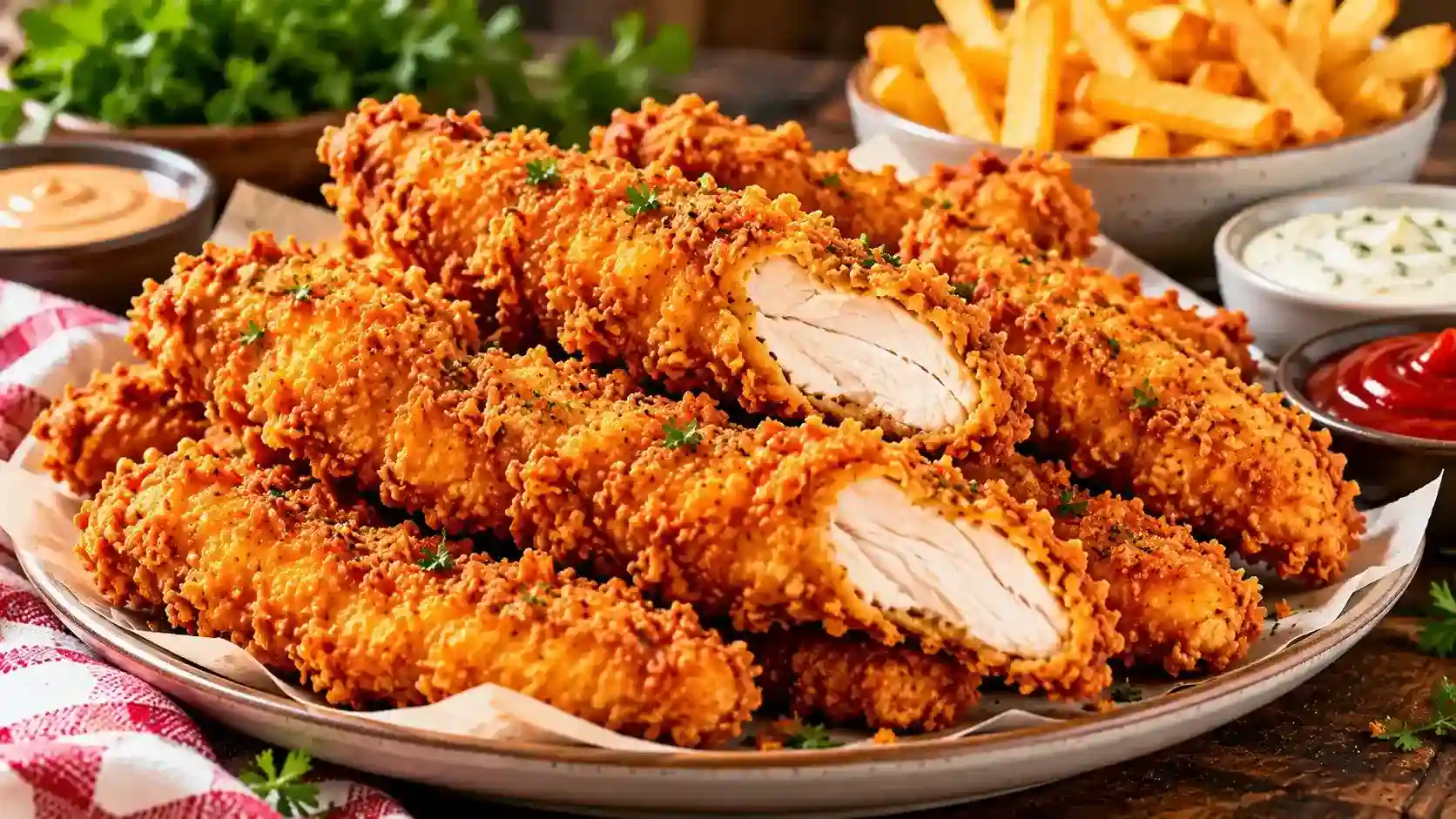
If you are looking for an easy dinner that both kids and adults will happily devour, this crispy chicken tender recipe is a fantastic choice. These homemade chicken tenders are golden and crunchy on the outside while staying juicy and tender inside. They are quick enough for a busy weeknight but delicious enough to serve at a casual family gathering.
What I particularly love about making chicken tenders at home is how easy it is to customize the seasoning. You can keep them mild for children, add a little cayenne for heat, or experiment with herbs and spices for a more flavorful coating. I have also found that using a combination of flour and breadcrumbs gives the chicken an especially satisfying crunch.
Serve these homemade chicken tenders with fries, coleslaw, mashed potatoes, roasted vegetables, or your favorite dipping sauce. Once you try this simple chicken tender recipe, you may find yourself skipping the frozen version altogether.
Why You’ll Love This Chicken Tender Recipe
- Crispy and golden on the outside
- Juicy and tender inside
- Simple ingredients
- Quick enough for weeknight dinners
- Family-friendly and kid-approved
- Easy to customize with different seasonings
- Perfect with ranch, honey mustard, barbecue sauce, or spicy mayo
- Can be fried, baked, or adapted for an air fryer
Ingredients
(Tip: You can find the complete list of ingredients and their measurements in the recipe card below.)
Chicken Tenderloins
Chicken tenderloins are naturally lean, tender, and quick to cook. They are ideal for this recipe because their smaller size allows them to cook evenly while remaining juicy. If you cannot find packaged tenderloins, you can slice boneless, skinless chicken breasts into long strips.
Buttermilk
Buttermilk helps tenderize the chicken and gives it a subtle tangy flavor. It also helps the coating adhere to the chicken. For the best texture, allow the chicken to marinate in the buttermilk for at least 30 minutes.
All-Purpose Flour
Flour creates the first layer of the crispy coating. Seasoning the flour well is important because it provides much of the flavor that you taste in the finished chicken.
Breadcrumbs
Breadcrumbs add crunch and texture. Regular breadcrumbs work well, while panko breadcrumbs create an even lighter and crispier crust.
Eggs
Eggs help the coating stick to the chicken. Whisk them thoroughly so that the mixture is smooth and easy to use.
Paprika
Paprika adds warm color and a mild peppery flavor. Smoked paprika is a great alternative if you want a deeper, smoky taste.
Garlic Powder
Garlic powder adds savory flavor throughout the crispy coating without adding excess moisture.
Onion Powder
Onion powder works alongside garlic powder to give the chicken a rich, savory flavor.
Black Pepper
Freshly ground black pepper adds gentle heat and balances the richness of the crispy coating.
Salt
Salt brings all of the seasonings together and enhances the natural flavor of the chicken. Season each component carefully for the best result.
Cayenne Pepper
Cayenne is optional, but it adds a pleasant kick. Use a small amount for mild heat or increase it if you prefer spicy chicken tenders.
Cooking Oil
For frying, use a neutral oil with a high smoke point, such as vegetable, canola, or peanut oil. If baking or air frying, lightly spray the coated chicken with oil to encourage browning and crisping.
How to Make This Chicken Tender Recipe
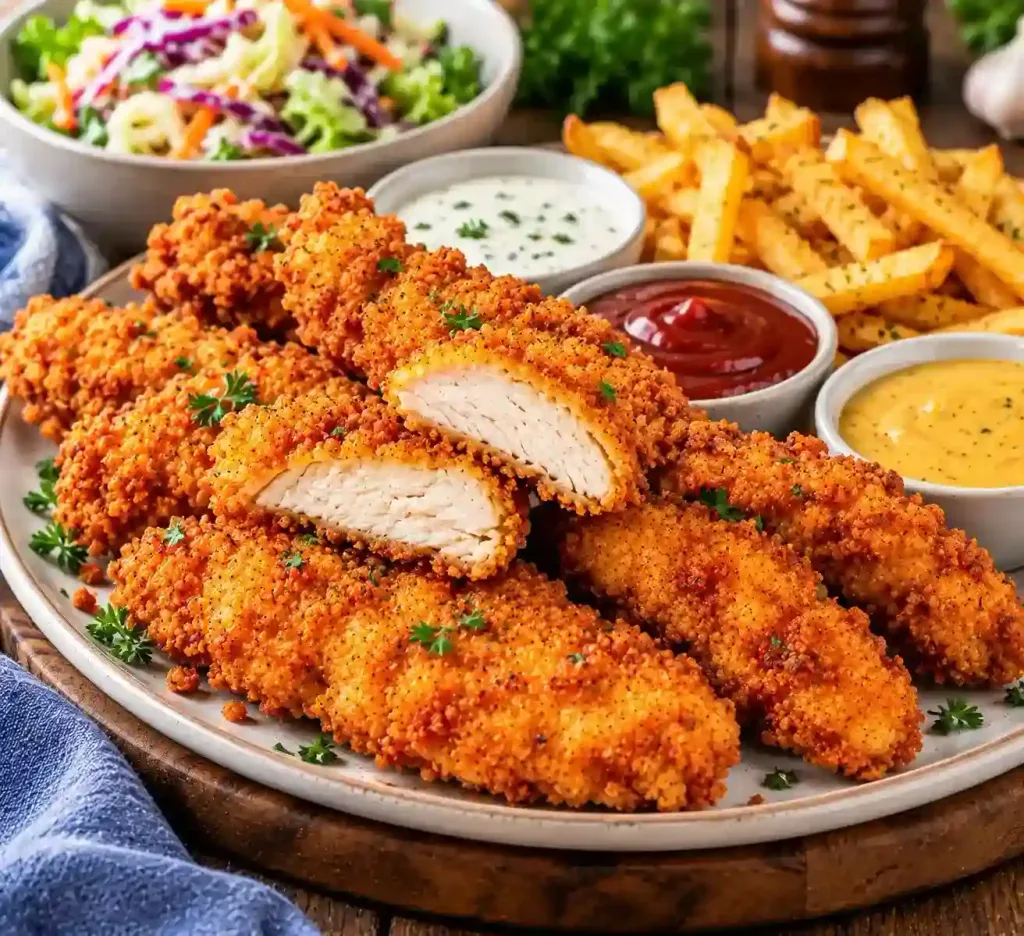
Begin by preparing the chicken. Pat the chicken tenderloins dry with paper towels. Place them in a bowl and cover them with buttermilk. Add a little salt, black pepper, garlic powder, and paprika. Toss everything together so the chicken is evenly coated.
Cover the bowl and refrigerate for at least 30 minutes. If you have extra time, marinating for 2–4 hours will give the chicken even more flavor and tenderness.
Next, prepare your coating station. Place flour in one shallow bowl and season it with paprika, garlic powder, onion powder, salt, black pepper, and cayenne. In a second bowl, whisk the eggs. In a third bowl, add the breadcrumbs.
Remove a chicken tender from the buttermilk and allow the excess to drip away. Coat it in the seasoned flour, then dip it into the beaten egg. Finally, press it firmly into the breadcrumbs, making sure every surface is covered.
Repeat with the remaining chicken.
For the crispiest coating, allow the breaded chicken to rest for about 5–10 minutes before cooking. This gives the coating time to adhere properly.
For frying, heat about 1–2 inches of oil in a heavy skillet to approximately 350°F (175°C). Carefully add the chicken tenders without overcrowding the pan. Cook for several minutes on each side until deeply golden and cooked through.
Transfer the finished chicken to a wire rack so excess oil can drain away while air circulates around the crust.
If baking, arrange the breaded chicken on a lightly greased wire rack placed over a baking sheet. Spray the chicken lightly with oil and bake at 425°F (220°C) until golden and cooked through.
Always check that the thickest part of the chicken reaches 165°F (74°C).
Common Mistakes to Avoid
- Skipping the marinade: Buttermilk helps keep chicken tender and flavorful.
- Using wet chicken: Excess marinade can make the coating slide off.
- Not seasoning the coating: Proper seasoning makes a huge difference in flavor.
- Overcrowding the pan: Too many pieces can lower the oil temperature.
- Using oil that is too cool: This can result in greasy rather than crispy chicken.
- Skipping the resting period: A short rest helps the breading adhere.
- Overcooking the chicken: Chicken tenderloins are lean and can dry out quickly.
- Draining on a flat plate: A wire rack keeps the bottom of the chicken crisp.
Equipment Needed
A few basic kitchen tools are all you need to prepare this crispy chicken tender recipe successfully.
Must-Have Tools to Get Rolling
Here’s what you’ll want to have on hand:
- Three shallow bowls
- Large mixing bowl
- Heavy skillet or Dutch oven
- Tongs
- Wire cooling rack
- Baking sheet
- Instant-read thermometer
- Measuring cups and spoons
Servings and Timing
| Detail | Time |
|---|---|
| Servings | 4 |
| Prep Time | 15 minutes |
| Marinating Time | 30 minutes |
| Cook Time | 15–20 minutes |
| Total Time | About 1 hour |
Storage and Reheating
Allow leftover chicken tenders to cool before transferring them to an airtight container. Store them in the refrigerator for up to 3–4 days.
For the best texture, reheat them in an air fryer at approximately 375°F (190°C) for several minutes or in a 400°F (200°C) oven until hot and crisp.
Avoid reheating chicken tenders in the microwave if you want to preserve their crunchy coating. The microwave tends to soften the breadcrumbs.
Variations and Customizations
This chicken tender recipe is wonderfully flexible, so you can adjust it according to your preferences.
For extra-crispy chicken tenders, use panko breadcrumbs instead of traditional breadcrumbs. Panko has a larger, lighter texture that produces a beautifully crunchy crust. You can also combine panko with regular breadcrumbs for a balanced coating.
For spicy chicken tenders, increase the cayenne pepper and add a little chili powder to the flour. A splash of hot sauce in the buttermilk marinade adds another layer of heat without overpowering the chicken.
For garlic-herb chicken tenders, add dried parsley, oregano, thyme, and extra garlic powder to the breadcrumb mixture. This version pairs particularly well with creamy ranch dressing.
For Parmesan chicken tenders, mix finely grated Parmesan cheese into the breadcrumbs. The cheese becomes golden and slightly crisp during cooking, creating a richer flavor.
For smoky chicken tenders, replace regular paprika with smoked paprika. A little ground cumin can also add a warm, earthy note.
If you prefer a lighter version, bake or air fry the chicken instead of deep frying. Spray the breaded tenders lightly with cooking oil before cooking to encourage browning.
For a gluten-free chicken tender recipe, use gluten-free flour and gluten-free breadcrumbs. Make sure your seasonings and other ingredients are also suitable for your dietary needs.
You can also change the dipping sauces. Honey mustard provides a sweet and tangy contrast, barbecue sauce adds smoky sweetness, and ranch dressing gives the tenders a cool, creamy finish. For something spicy, try buffalo sauce or spicy mayonnaise.
For children, keep the seasoning mild and serve the tenders with ketchup or a mild honey mustard sauce. Adults can add extra cayenne, hot sauce, or a spicy dipping sauce to their portions.
Nutrition and Dietary Information
Nutrition values are approximate and can vary depending on the exact ingredients, cooking method, and amount of oil absorbed during cooking.
| Nutrient | Per Serving |
|---|---|
| Calories | 465 kcal |
| Protein | 39 g |
| Carbohydrates | 31 g |
| Fat | 21 g |
| Saturated Fat | 5 g |
| Fiber | 2 g |
| Sugar | 3 g |
| Sodium | 850 mg |
For a lower-fat version, bake or air fry the chicken instead of deep frying. For a gluten-free option, substitute gluten-free flour and breadcrumbs.
Expert Tips & Customizations
Use Panko: Panko breadcrumbs give the coating a lighter and crunchier texture than standard breadcrumbs.
Do Not Skip the Rest: Let the breaded chicken sit for a few minutes before cooking so the coating sticks better.
Keep the Oil Temperature Steady: Aim for around 350°F (175°C) when frying. If the oil becomes too cool, the chicken can absorb excess oil.
Do Not Overcrowd: Cook the chicken in batches if necessary. Giving each tender enough room helps it brown evenly.
Use a Thermometer: Chicken is safely cooked when the thickest portion reaches 165°F (74°C).
Season Every Layer: Seasoning the buttermilk, flour, and breadcrumbs gives the chicken much more flavor.
Try Double Breading: For an exceptionally thick crust, repeat the egg and breadcrumb coating once more before cooking.
FAQs
What is the best way to make a chicken tender recipe crispy?
Use panko breadcrumbs, avoid overcrowding the cooking pan, and make sure your oil is hot enough. Allowing the breaded chicken to rest before cooking also helps the coating stay attached.
Can I make this chicken tender recipe in an air fryer?
Yes. Lightly spray the breaded chicken with cooking oil and air fry at approximately 400°F (200°C), turning halfway through cooking. Cook until golden and the internal temperature reaches 165°F (74°C).
Can I bake chicken tenders instead of frying them?
Absolutely. Arrange the breaded chicken on a lightly greased wire rack over a baking sheet and bake at 425°F (220°C) until golden and fully cooked.
How long should I marinate chicken tenders?
At least 30 minutes is helpful, while 2–4 hours provides more flavor and tenderness. Keep the chicken refrigerated while it marinates.
Why does my breading fall off my chicken tenders?
Excess moisture, insufficient resting time, or failing to press the breadcrumbs firmly onto the chicken can cause the coating to fall off. Let excess buttermilk drip away before breading.
What sauces go well with chicken tenders?
Chicken tenders pair beautifully with honey mustard, ranch, barbecue sauce, ketchup, buffalo sauce, garlic mayo, or spicy mayonnaise.
Conclusion
This easy chicken tender recipe is everything you want in a homemade comfort-food favorite: crispy, golden, flavorful, and wonderfully juicy inside. The buttermilk marinade keeps the chicken tender, while the seasoned flour and breadcrumbs create a deliciously crunchy coating.
The recipe is also easy to adapt. Fry it for classic crispy chicken tenders, bake it for a lighter meal, or use an air fryer when you want convenience without sacrificing crunch. Add your favorite seasonings and dipping sauces to make the recipe your own.
Serve these irresistible chicken tenders with fries, coleslaw, salad, vegetables, or homemade dipping sauces for a satisfying meal that the whole family will enjoy.